Sloe gin is made by steeping sloes and sugar in gin, then straining out the fruit. You begin with a finished spirit; no distillation is involved. The main commitment is time, so label the jar when you start and plan in months rather than days.
The quantities and two-to-three-month infusion below follow Mary Cadogan’s sloe gin recipe for Good Food. Sommblog has not independently completed a months-long test of this recipe. The practical notes help you organise that published method without claiming a guaranteed flavour or shelf life.
Ingredients and equipment
- 500g ripe sloes from a reliably identified source
- 250g golden caster sugar
- 1 litre gin
Use a clean two-litre preserving jar, a clean skewer, fine muslin or a suitable food strainer, and clean bottles with secure closures. Follow the jar manufacturer’s cleaning instructions. Preparation takes roughly twenty minutes; infusion takes two to three months. The final strained yield varies.
Method
- Sort the fruit, removing damaged berries and stalks. Wash and dry the sloes.
- Prick each berry’s skin carefully with a clean skewer. Do not crush or crack the stones.
- Add the fruit and sugar to the jar, then pour in the gin and close securely.
- Label with the ingredients, quantities and start date. Keep in a cool, dark place and shake gently each day for the first week.
- Leave to infuse for two to three months. Strain through clean muslin into a clean vessel, then bottle and label.
Get the fruit identification right
This recipe is not a foraging identification guide. Buy the fruit from a reliable supplier or use fruit positively identified by someone qualified to do so. A photograph or a familiar-looking berry is not enough to establish that an unknown plant is suitable to eat.
Use sound fruit and clean equipment. Alcohol is not a reason to ignore mould, contamination or unsuitable ingredients. If the batch develops unexpected visible growth or deterioration, discard it rather than trying to disguise it with more gin or sugar.
Keep a useful batch record
Write down the gin’s name and labelled strength, the fruit weight and the sugar weight. Record the straining date too. These details make a later comparison useful; “a jar of berries and a bottle of gin” leaves too much uncertain.
Do not label the finished infusion with the original gin’s alcohol percentage. Fruit and sugar change the mixture, and this home method does not determine a verified final ABV.
Sweetness, serving and storage
Fruit ripeness and extraction affect the result. Keep the original formula for a first batch before deciding what you would change next time. If adjusting a small strained portion, measure and record the addition so the experiment remains repeatable.
Store the strained infusion tightly closed, cool and away from light. This guide does not establish a universal expiry date or claim that every homemade batch keeps indefinitely. Serve in small measured portions if desired, remembering that sweetness does not remove the alcohol.
For a different fruit, follow a specific damson gin method. Our gin and gin liqueur guide explains why sweetened infusions differ from plain gin.
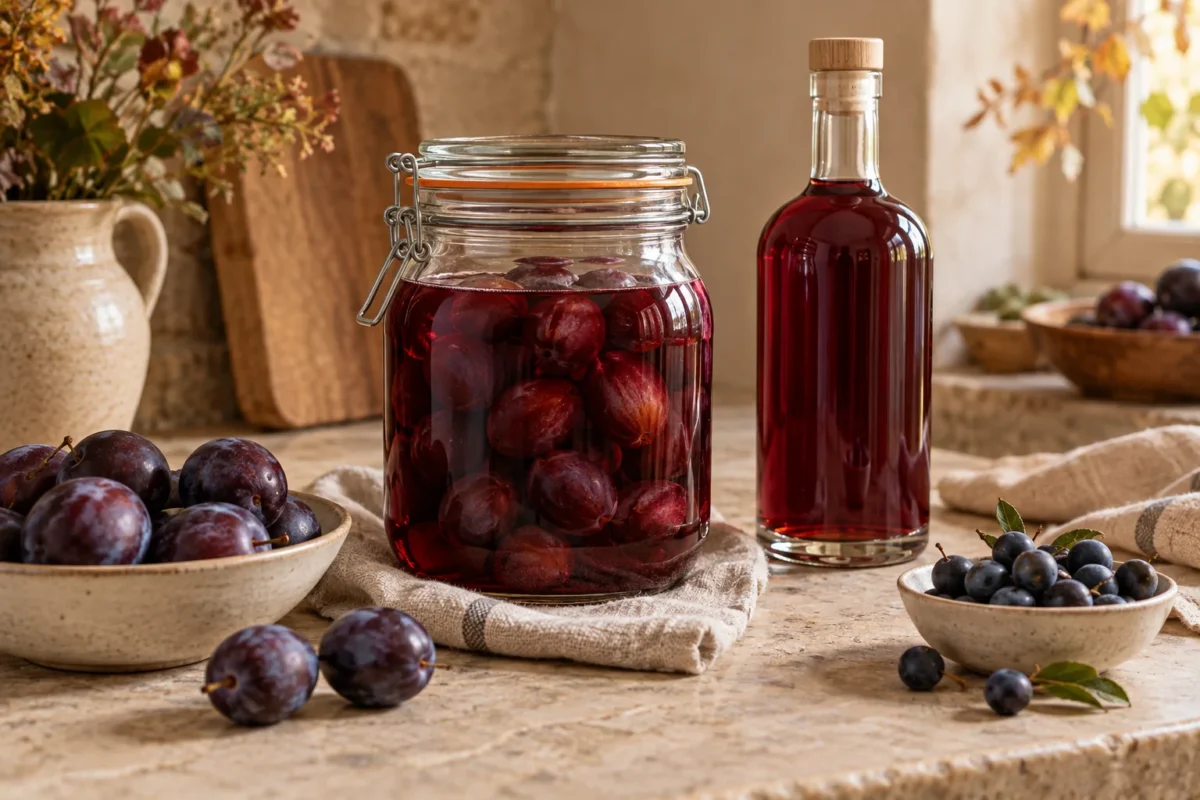
Image: AI-generated editorial illustration, not a photograph of a tested recipe or a reviewed bottle.