Reclose opened red wine and keep it in the fridge when you are saving it. A few days is a useful planning window, but there is no fixed deadline that fits every bottle. Storage temperature and exposure to air affect the result, and delicate mature wines may change quickly.
How many days should you expect?
WSET’s opened-wine guidance gives up to five days of relative freshness for a reclosed red or white wine kept in the fridge. This is a broad quality guide, not a guaranteed shelf life. Assess the particular bottle rather than treating day five as a universal dividing line.
Do not assume an old red lasts longer after opening because it once had ageing potential. Bottle ageing and resistance to air after opening are different questions. A mature wine can be fragile, and an extended decant or warm overnight storage may leave it less expressive.
Why refrigerate red wine?
Cool storage slows the changes that follow opening. It does not mean you must serve every red straight from a cold fridge. Keep the bottle chilled between occasions, then allow the portion you intend to serve to move towards a suitable temperature.
For practical starting ranges, see wine serving temperatures. Avoid warming a bottle rapidly against a heater or leaving all the remaining wine on a hot kitchen counter.
A simple opened-bottle routine
- Replace the closure after pouring rather than leaving the bottle open all evening.
- Mark the opening date if you are likely to forget it.
- Keep the bottle upright in the fridge.
- Consider a clean smaller bottle if only a little wine remains.
- Pour what you need and return the rest to cool storage promptly.
Preservation devices have different methods and limitations. Follow the manufacturer’s instructions; a vacuum pump does not automatically buy every red wine the same extra day or two. No device reverses deterioration that has already occurred.
What changes should you notice?
Fruit may seem less vivid and the aroma less fresh. Use the original impression as your comparison, ideally with a short tasting note. Do not rely on colour or age alone to decide the result.
If there is reason to suspect contamination, unexpected material or an unsuitable storage history, do not taste the wine merely to investigate. This guide concerns preserving drinking quality, not certifying an unknown bottle as safe.
Plan the leftovers before opening
Smaller bottles can suit occasional use. When comparing several wines, small tasting samples leave plenty to store; arrange closures and fridge space first. Our general wine storage guide covers unopened bottles, light and longer-term conditions without duplicating an opened-bottle countdown.
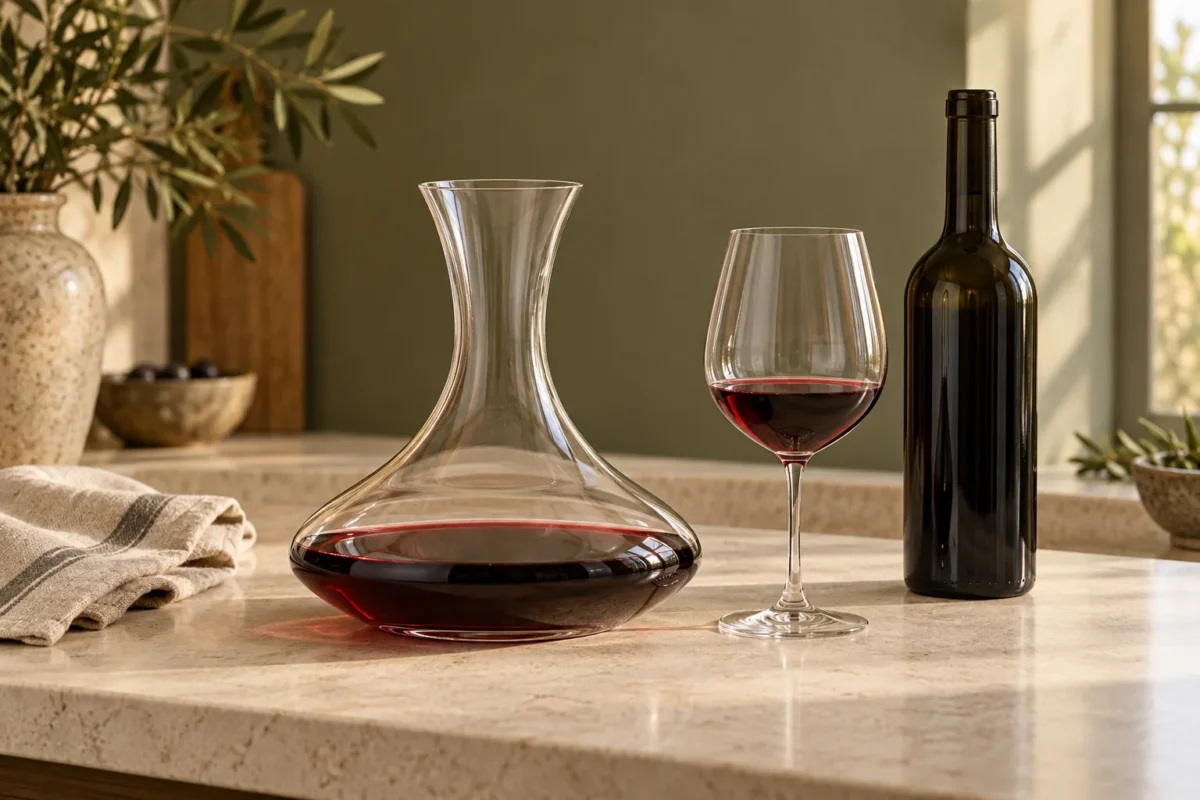
Image: AI-generated editorial illustration, not a photograph of a tested recipe or a reviewed bottle.