Ordinary tequila is a long-keeping spirit, but an open bottle can lose some of its aroma and character over time. Keep it upright, tightly sealed and away from heat and direct light. There is no universal number of months after which every opened bottle suddenly becomes unusable.
Storage matters before and after opening
Patrón’s storage guidance recommends an upright bottle in a cool, dark place and explains that ordinary tequila does not require refrigeration. A kitchen shelf above a cooker is therefore a poor choice, even if the bottle looks attractive there.
Keeping tequila on its side is not an improvement borrowed from wine storage. Its closure and alcoholic strength are different considerations. Retain the original stopper or screw cap, check that it seals properly, and avoid leaving a bar pourer in place between occasional uses.
Does añejo keep ageing in the bottle?
Time on your shelf does not add more barrel maturation. The recognised ageing class reflects production before bottling. Keeping a reposado for another year in a cupboard does not turn it into añejo.
That distinction is useful when deciding whether to save a bottle. Keep it because it has personal value or because you plan to use it later, not because the bottle is continuing the same process as an oak cask.
What can change after opening?
Air exposure and poor storage can make the spirit seem less vivid. A low-fill bottle that is opened repeatedly has a different history from a nearly full bottle kept sealed. Closure condition matters too. Those variables make blanket deadlines less helpful than careful storage.
If a familiar cocktail tastes wrong, check the other ingredients before blaming the tequila. Old citrus, faded syrups and a flat mixer are common confounding factors. Follow the quantities in a measured tequila recipe so changes are easier to identify.
Should you chill or freeze it?
Chilling is a serving preference rather than a storage requirement for ordinary tequila. Very low temperature can suppress aromas and change perceived texture. If you are comparing bottles, keep their serving temperatures similar.
There is little benefit in assuming a freezer is the right home for every tequila-related product. Ready-to-drink cocktails, cream liqueurs and lower-strength flavoured products have their own labels and ingredients. Follow those directions rather than applying plain-spirit advice.
When to stop and check
Do not drink a bottle with unknown contents, signs of contamination, foreign material or an uncertain seal just because tequila normally keeps well. Contact the producer about an unexplained change. Smelling or tasting a suspicious liquid is not a reliable safety test.
For a sound bottle, a simple note of when it was opened can help you track quality without inventing an expiry date. Keep it separate from homemade infusions and mixed drinks, and never pour unused cocktail ingredients back into the original bottle.
A short bottle-care checklist
- Store upright with a sound closure.
- Choose a shaded cupboard away from heat.
- Keep the bottle neck and utensils clean.
- Keep the label so the exact product remains identifiable.
- Use separate storage guidance for liqueurs and cocktails.
If the label itself is unclear, start with what tequila is made from before making assumptions about how it should be stored.
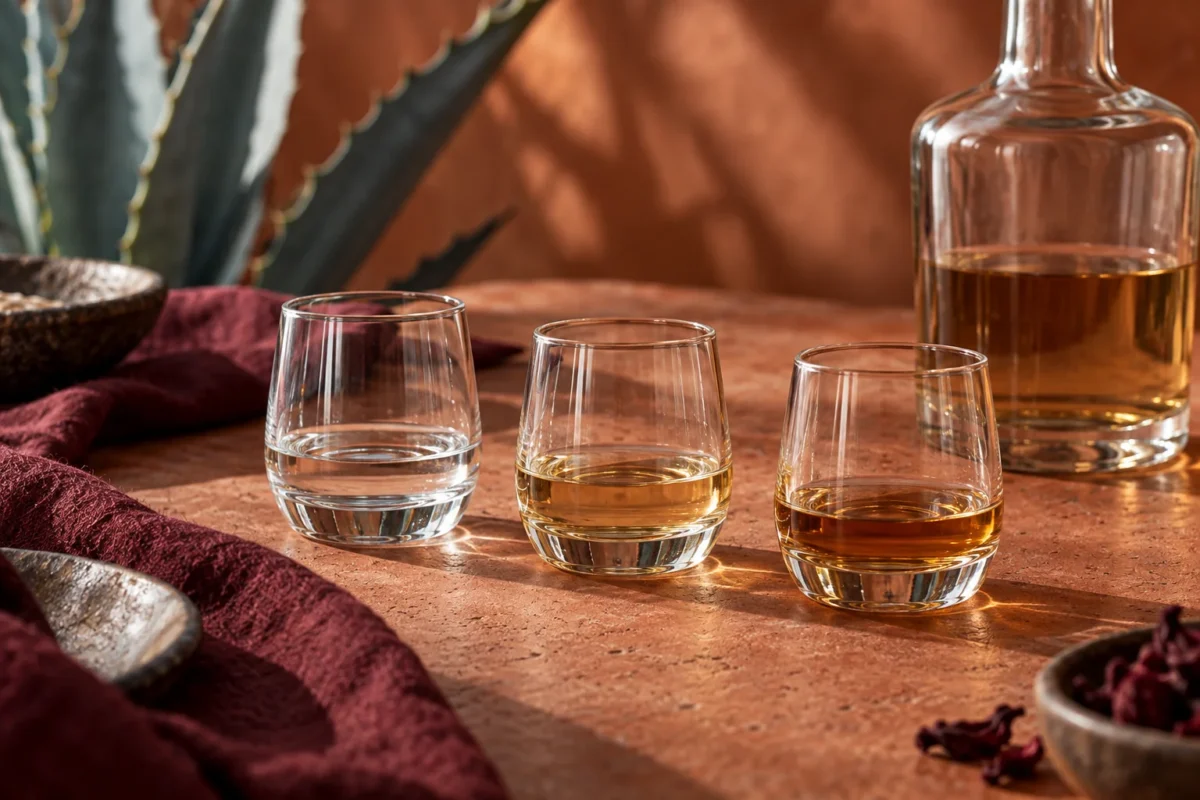
Image: AI-generated editorial illustration, not a photograph of a tested recipe or a reviewed bottle.