Ordinary bottled gin keeps well when it is tightly closed and protected from heat and light. An opened bottle can gradually lose aroma and freshness, but there is no single expiry date that applies to every gin. Product type and storage history matter more than the age of the label.
Unopened and opened bottles are different
An intact seal limits contact with air. Once you open the bottle, repeated pouring introduces air and the closure becomes part of the storage problem. A bottle kept near a hot cooker or in a sunny window is a different case from one kept closed in a cool cupboard.
Beefeater’s storage guidance distinguishes gin’s long keeping ability from gradual loss of flavour after opening. That is a useful quality distinction. It is not permission to drink an unknown liquid, a contaminated bottle or a product whose seal has been damaged.
A simple storage routine
- Keep the original bottle. It carries the product name, strength and any specific instructions.
- Close it properly after use. A speed pourer is convenient during service but is not the same as a sealed storage cap.
- Choose a cool, shaded position. Avoid a windowsill, radiator or cupboard directly beside an oven.
- Keep the neck clean. Do not let fruit pulp, mixers or dirty utensils enter the bottle.
- Record the opening date if useful. This helps you compare flavour over time; it is not a countdown to a universal safety deadline.
Does it need the fridge?
Ordinary gin does not generally need refrigeration simply because it has been opened. Chilling can be a serving choice. Very cold spirit smells less expressive, so a bottle used for chilled Martinis may seem different from a small sample at room temperature.
Do not assume every gin-labelled product can go in the freezer. Strength, added ingredients and container instructions vary. For a gin and tonic, chilled tonic and plenty of sound ice offer a more controllable route than freezing an unfamiliar bottle.
What if the flavour seems dull?
First rule out the mixer. Flat tonic, old citrus and ice that has picked up freezer odours can change a drink before the gin is at fault. Use a clean glass and check the bottle’s storage history. If you have reason to suspect contamination, do not taste it to investigate.
A faded aroma is a quality issue; visible foreign material, a damaged closure or an unexplained change needs more caution. Some products can show natural botanical haze, but an unfamiliar change should be checked with the producer rather than diagnosed from a general article.
When this advice does not apply
Gin liqueurs, cream products, ready-mixed gin and tonic and homemade sloe infusions contain different ingredients and may have different storage needs. Follow their labels or the recipe’s handling instructions. The keeping qualities of a sealed gin bottle cannot be transferred to a jug containing fruit juice.
Store the bottle for the way you actually use it. An occasional cocktail ingredient benefits more from a good closure and a sensible cupboard than from an arbitrary “finish within six months” rule.
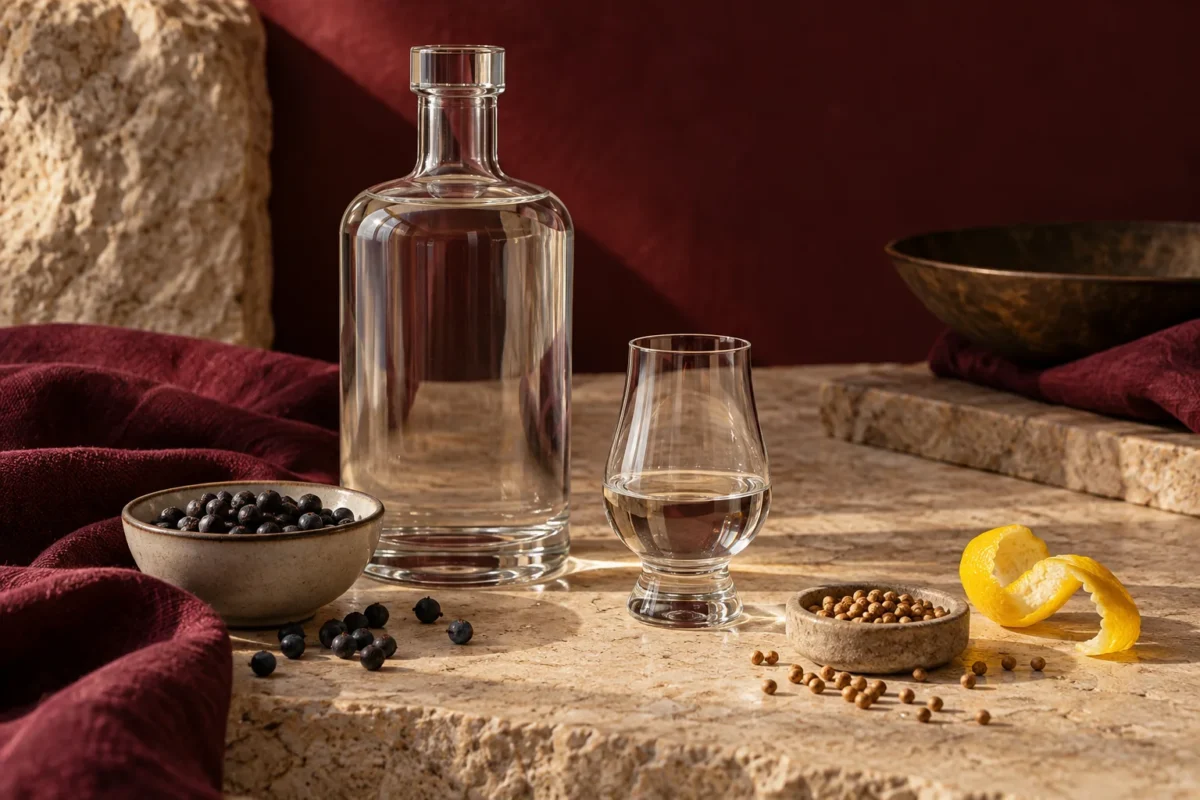
Image: AI-generated editorial illustration, not a photograph of a tested recipe or a reviewed bottle.