Gin is made from agricultural alcohol flavoured with juniper and, usually, other botanicals. Juniper supplies its defining character; citrus peel, seeds, roots and spices give each recipe its particular balance. The grain used to make the base alcohol is only one part of the story.
The three parts of a gin
Think of a bottle as a combination of an alcoholic base, an aromatic recipe and water used to bring the spirit to its bottling strength. A gin made with wheat alcohol need not taste of wheat. Much of the character you recognise comes from the ingredients used to flavour that base.
The rules for gin in Great Britain require the taste of juniper to predominate and set a minimum strength of 37.5% ABV. That is a category requirement, not the strength of every bottle. Check the label: stronger expressions exist. The official category definitions distinguish gin from distilled gin and London gin.
What do the botanicals contribute?
“Botanicals” simply means plant ingredients used for flavour. A producer may use whole berries, seeds, peels or roots. They need not all be obvious when you smell the finished drink, and adding more ingredients does not automatically make a gin better.
- Juniper: the pine-like, resinous thread that makes the drink recognisably gin.
- Citrus peel: a bright lemon, orange or grapefruit direction, depending on the recipe.
- Coriander seed: a citrus-and-spice contribution, quite different from fresh coriander leaf.
- Roots and spices: ingredients such as angelica, orris and liquorice can provide earthy, floral or sweet-seeming accents.
These are examples rather than a required shopping list. Sipsmith’s explanation of its ten botanicals shows how one distillery builds a particular recipe; other distillers make different choices.
How does the flavour get into the spirit?
Producers can steep botanicals in spirit before redistillation, expose them to alcohol vapour, or use other permitted flavouring processes. Bombay Sapphire describes its vapour-infusion method: aromatic ingredients sit in baskets in the path of the vapour. That is one production approach, not a universal recipe for gin.
Distilled gin has specific production requirements. London Dry adds further restrictions on how its flavour is introduced and how the finished spirit is adjusted. “London” in that style name does not require manufacture in London. By contrast, a gin’s named geographical origin and its production style are separate pieces of information.
How to choose a style for a drink
For a gin and tonic, start with the bottle’s own flavour description and keep the garnish simple. A citrus-led gin does not necessarily need several extra citrus fruits. For a Martini, vermouth becomes another major aromatic ingredient, so judge the combination rather than the gin in isolation.
Fruit-flavoured gin and gin liqueur are not interchangeable labels. A fruity aroma does not tell you how much sugar or alcohol the drink contains. Pink colour is equally uninformative about strength.
Does gin contain vodka?
Gin and vodka can begin with similar agricultural alcohol, but gin does not have to start as a retail bottle of vodka. The defining difference is the deliberate juniper-led flavouring. Our gin and vodka comparison explains what that changes when you mix a drink.
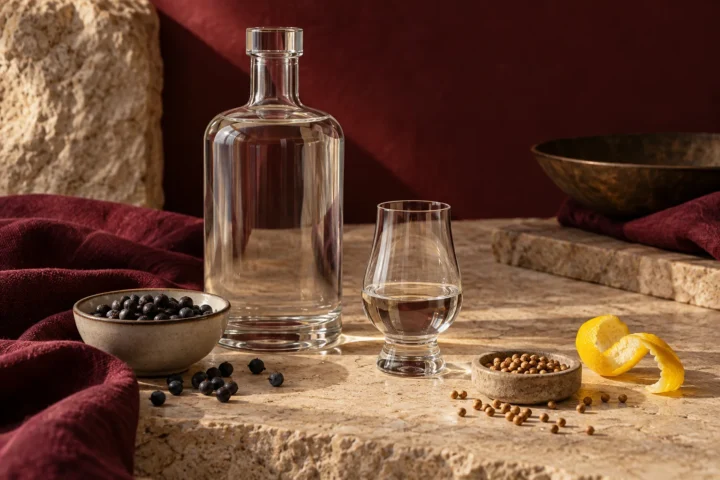
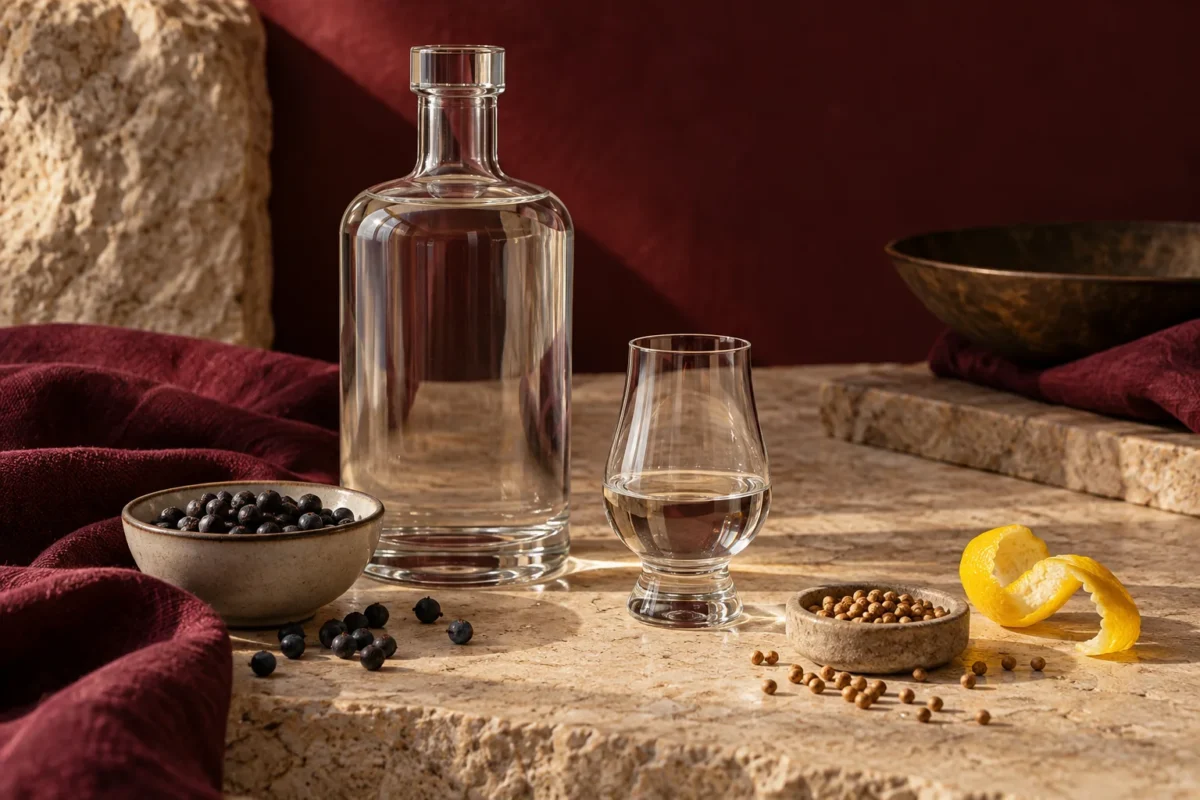
Image: AI-generated editorial illustration, not a photograph of a tested recipe or a reviewed bottle.