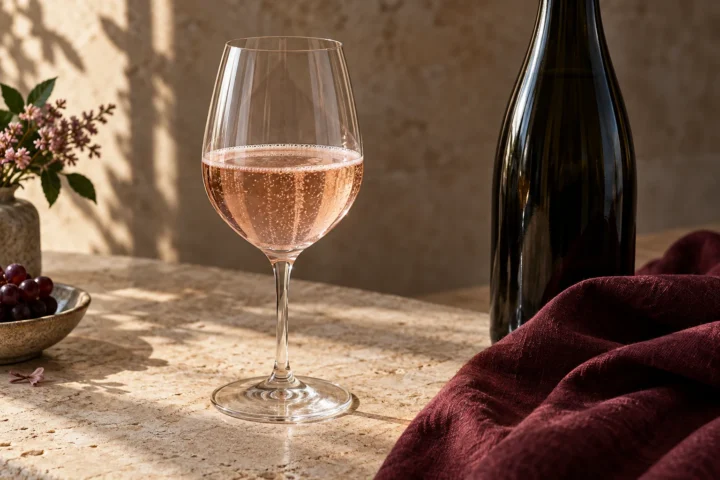
The main difference between Prosecco and Champagne is where they come from, which grapes they use and how they are made. Champagne comes from France’s Champagne region and gains its bubbles through fermentation in the bottle. Prosecco comes from north-east Italy, is based on Glera grapes and is usually made sparkling in a pressurised tank.
That helps explain their familiar styles: fresh pear and floral notes in many Proseccos; citrus, apple and bread-like notes in many Champagnes. But neither name tells you exactly how sweet a bottle will taste, and a higher price does not automatically make a wine a better choice for your meal.
Prosecco and Champagne at a glance
| What to compare | Prosecco | Champagne |
|---|---|---|
| Origin | North-east Italy | Champagne, France |
| Principal grapes | Glera | Chardonnay, Pinot Noir and Meunier |
| Usual second fermentation | In a sealed tank | In the bottle |
| Common flavour direction | Pear, apple, flowers | Citrus, apple, with possible toast or brioche |
| Sweetness | Read the style on the label | Read the style on the label |
| Useful starting point | Fresh fruit character, aperitifs and spritzes | Bottle-aged character and a broader range of mature flavours |
Where they come from and which grapes they use
Prosecco DOC covers a defined area in Veneto and Friuli-Venezia Giulia. White Prosecco DOC must contain at least 85% Glera, with specified other varieties permitted in the remainder. Prosecco DOC rosé has a separate blend: 85–90% Glera and 10–15% Pinot Noir, made as a red wine. These details are set out in the Prosecco DOC production rules.
The name on a Champagne bottle identifies its French origin as well as its production requirements. Chardonnay, Pinot Noir and Meunier are its three principal grapes, although other varieties are authorised. Champagne can be a blend or a wine made from a single grape. The Comité Champagne’s grape guide explains this range.
For shoppers, the useful distinction is between a grape and a wine’s place of origin. Chardonnay is a grape; Champagne is a regional wine designation. A sparkling Chardonnay from somewhere else does not become Champagne simply because the winemaker uses bottle fermentation.
How the production method changes the style
In the usual Prosecco process, a still base wine undergoes a second fermentation in a sealed tank. The carbon dioxide produced stays dissolved in the wine, which is then bottled under pressure. The process is commonly called the Martinotti or Charmat method. It suits Glera’s fresh, floral character; the Prosecco consortium’s Glera guide describes apple, pear and citrus among its typical aromas.
Champagne’s second fermentation takes place inside the bottle. The wine then spends time with the spent yeast, known as lees. That ageing can contribute bread, biscuit and other developed flavours. Non-vintage Champagne must mature in the cellar for at least 15 months, and vintage Champagne for at least three years; many producers go beyond these minimums. See the Comité Champagne’s explanation of maturation on lees.
These are useful patterns, not tasting guarantees. Some Champagnes emphasise fresh fruit; some Proseccos have more texture and complexity than a simple apple-and-pear description suggests. Prosecco also includes semi-sparkling and still styles, so check whether the label says spumante or frizzante when bubbles are central to your plans.
Which is sweeter: Prosecco or Champagne?
Neither is automatically sweeter. Compare the sweetness terms on the bottles. A fruity aroma can suggest ripe pears or apples without the wine containing much sugar. Our explanation of what dry white wine means helps separate those ideas.
The confusing label term is Extra Dry: it describes a sweeter range than Brut. According to the Prosecco DOC sweetness guide, Brut contains less than 12 grams of sugar per litre, while Extra Dry contains 12–17 grams per litre. Dry is sweeter again, at 17–32 grams per litre. These are label categories, not a ranking of quality.
For a fair first comparison, choose a Brut Prosecco and a Brut Champagne. They will not necessarily contain identical amounts of sugar, but you will avoid comparing a deliberately sweeter style against a much drier one and attributing the whole difference to the wine’s name.
How to choose a bottle for your food and budget
Decide what you want the wine to contribute before comparing prices. Ask a merchant for a fresh, floral style if that is what you enjoy, or for a wine with more bread-like, mature character if that is the point of the purchase. Give a budget and describe a bottle you have liked; both are more useful than asking for the “best” sparkling wine.
Champagne’s bottle-by-bottle production and ageing help explain its generally higher price. Producer, vintage, distribution and positioning also matter. There is no dependable price threshold at which every bottle becomes good, and a discounted bottle does not change its quality because its price changes.
For food, try these as starting points rather than fixed rules:
- A light, savoury first course: try a dry, fresh Prosecco with vegetables, mild cheese or simply prepared seafood.
- Roast chicken or a creamy mushroom dish: consider a Champagne with some developed, bread-like character, especially if those flavours appeal to you already.
- A spritz or fruit-based sparkling drink: choose a Prosecco whose sweetness fits the other ingredients. An Extra Dry bottle and a Brut bottle can make the same recipe taste different.
- Dessert: check sweetness particularly carefully. A dry wine alongside a very sweet pudding may taste sharper than you expect.
The sauce and seasoning can matter as much as the main ingredient. If you are comparing both wines, use the same small bite of food with each and make a note of which combination you prefer.
Serving and tasting them side by side
Chill both bottles and use similar clean glasses so glass shape does not dominate the comparison. The Comité Champagne recommends serving Champagne at 8–10°C; its serving guidance also favours a glass that narrows towards the rim. Follow the Prosecco producer’s serving advice for the bottle you choose.
Keep a hand over the cork while loosening the wire cage, point the bottle away from people and release the cork slowly. For the comparison, start with small pours and notice fruit, sweetness, texture and any bread-like aromas. Try to describe what is there before deciding which you prefer. Our home wine tasting guide includes a simple setup and note sheet.
Two label questions worth knowing
Does Blanc de Blancs mean 100% Chardonnay?
It means a white wine made from white grapes. In Champagne, it is very often Chardonnay, but other permitted white varieties can be used. Check the producer’s description when the exact grape composition matters.
Is Prosecco a cheaper type of Champagne?
No. It has its own origin, grapes and traditions. Treat the two as different styles to explore, then choose the particular bottle that suits your taste, food and budget.
Image: AI-generated editorial illustration; no specific bottles are depicted.